
Plano, TX
Plano, TX
Russell Creek Pet Clinic & Hospital
Russell Creek Pet Clinic & Hospital provides individualized veterinary care services to meet the unique needs of your beloved pets in Plano, Texas.

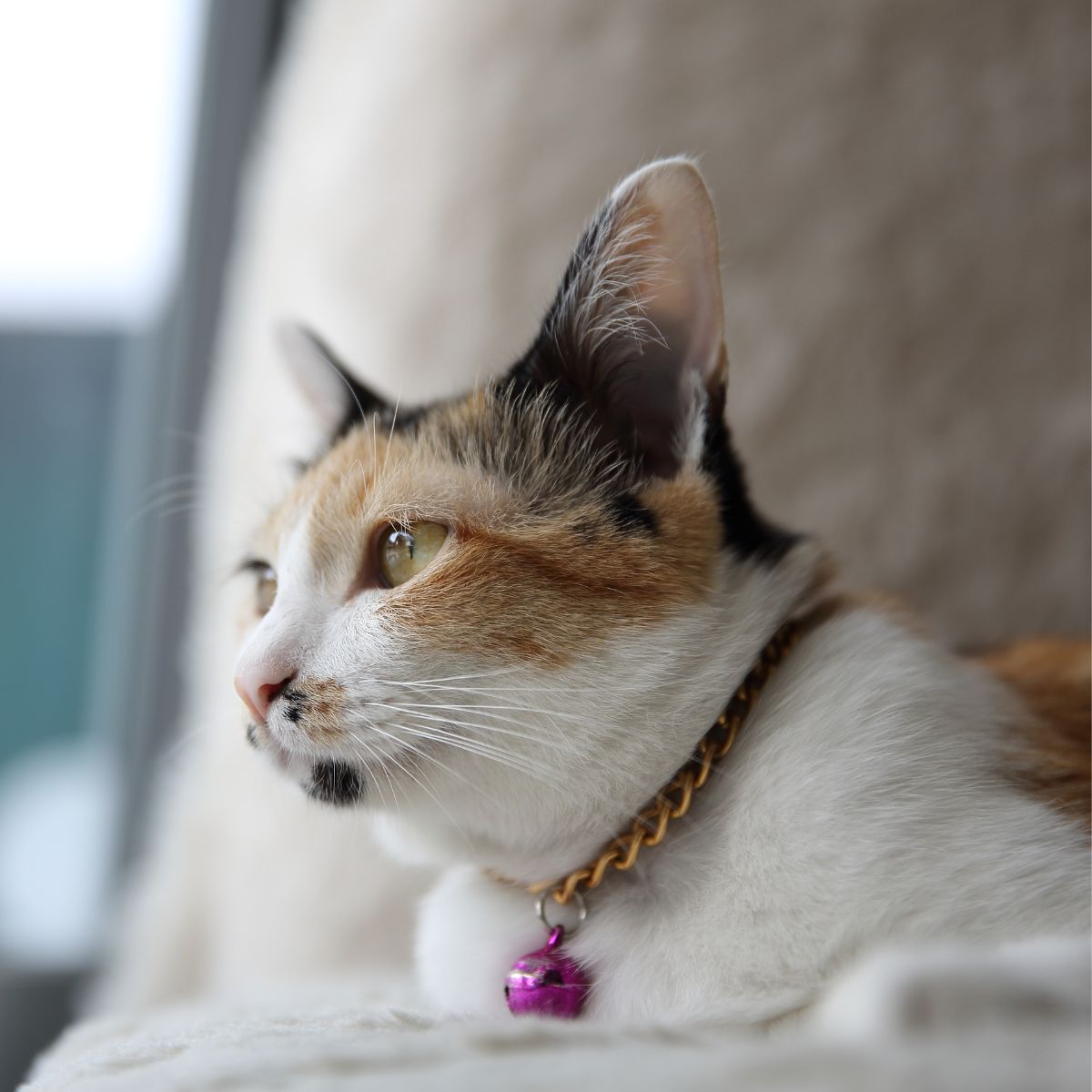

Complete Veterinary Care in Plano, TX
Our clinic is proud to offer a full range of comprehensive veterinary services, as well as pet grooming and boarding, to address your and your pet’s specific needs.

Pet Sick Visits

Pet Dental Care
Pet Grooming

Pet Emergency Surgery

Pet Boarding
Pet Sick Visits
Pet Dental Care
Pet Grooming
Pet Emergency Surgery
Pet Boarding
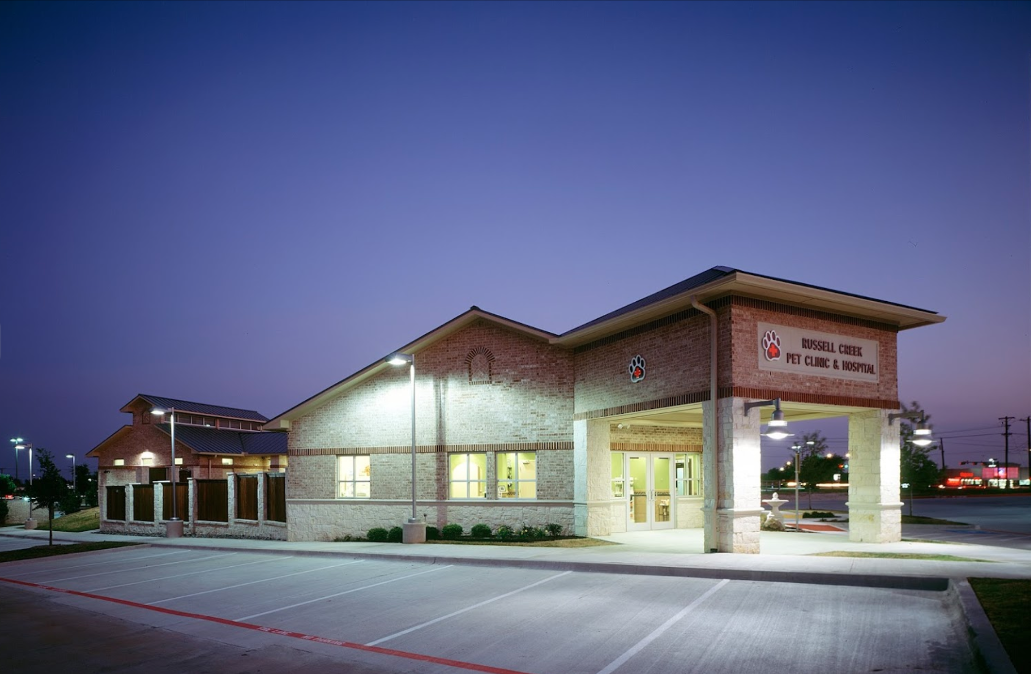
About Russell Creek Pet Clinic & Hospital
Russell Creek Pet Clinic & Hospital is committed to providing quality veterinary care throughout the life of your pet. Our services and facilities are designed to assist in routine preventive care for young, healthy pets as well as early detection and treatment as your pet ages, including complete medical and surgical care as necessary during their lifetime.
Our Veterinary Team
Our Veterinary Team
Meet Our Veterinary Team
The veterinarians and staff at Russell Creek Pet Clinic & Hospital understand your pet’s special role in your family and are dedicated to becoming your partner in your pet’s health care. We treat your pet as we would our own. Our goal is to practice the highest quality medicine and surgery with compassion and an emphasis on client education. The entire team at our Plano veterinary clinic is committed to providing personal attention to the unique concerns of each pet owner.
Thank You for Making Us One of the Highest-Rated Veterinary Clinics in Plano, TX
Your trust and support have been instrumental in our journey, and we want you to know how much it means to us. We look forward to continuing to provide you and your pet with only the best that the veterinary care world offers.